
Vietnam
Limestone bays, rice terraces and a coastline built for slow travel
Destination Guide
Tailormade Vietnam holidays
Vietnam rewards the traveller who takes it slowly. The country runs the full length of a coastline, from the karst towers of the north to the mangrove channels of the Mekong, and the temptation is to try to see all of it at once. We prefer fewer stops and longer stays, because the real Vietnam sits between the headline sights: a bowl of bun cha on a plastic stool in Hanoi, a farmer leading a water buffalo through the paddies at Mai Chau, the smell of coffee and fish sauce at six in the morning in Hoi An.
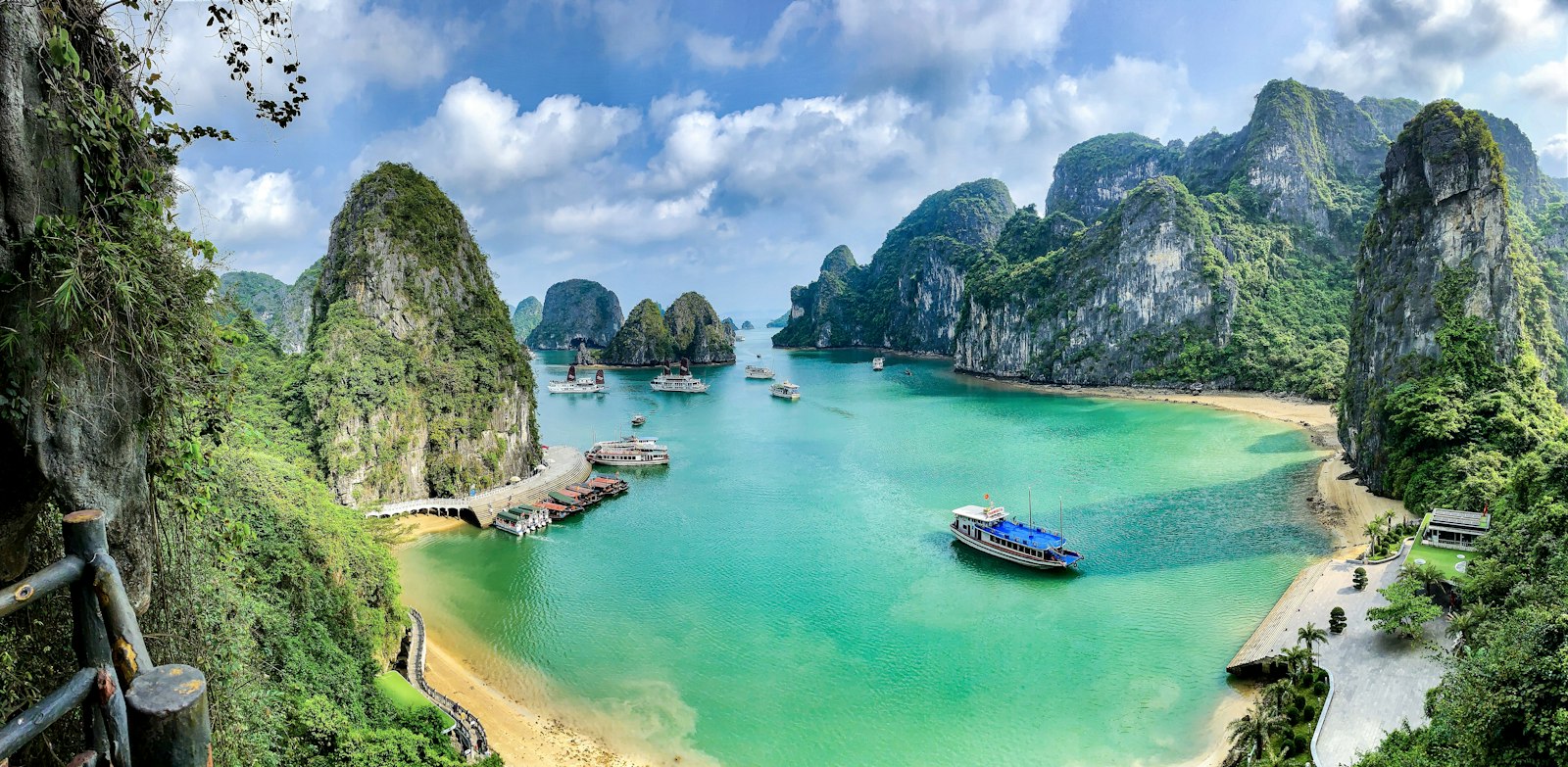
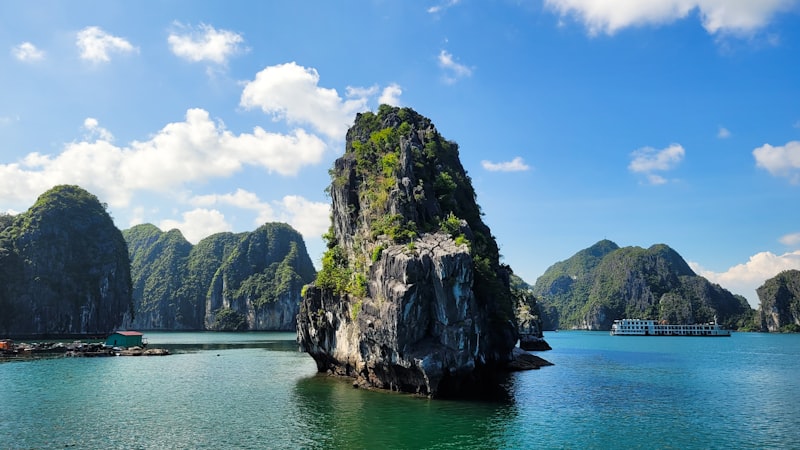
In the north, everyone knows Halong Bay, and it is extraordinary. It is also busy, with hundreds of boats working the same route. Our answer is Bai Tu Long Bay, its northern neighbour, where the same forest of limestone towers carries a fraction of the traffic. We put guests on smaller, characterful junks, kayak through the karst at Cong Do, visit the floating village of Vung Vieng before the day boats arrive, and spend the evening on deck with no sound but the water. Same landscape, completely different experience.
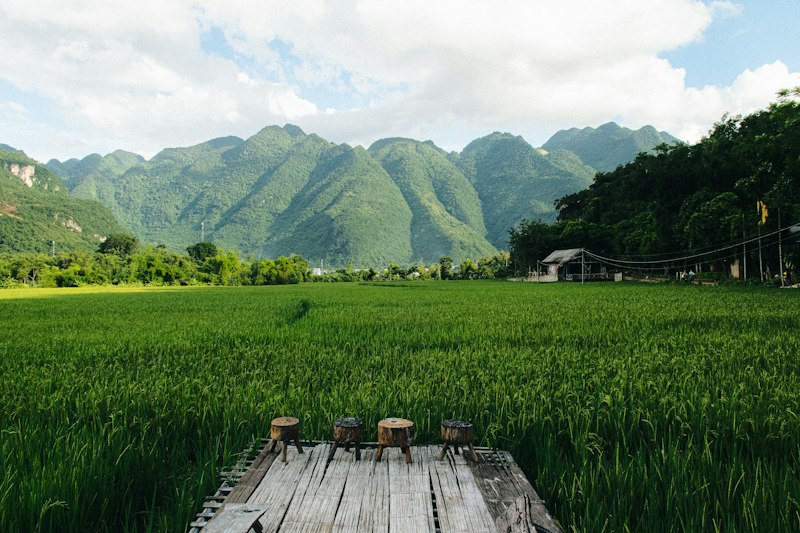
From the coast the road climbs into the mountains to Mai Chau, a valley of stilt-house villages and rice paddies where White Thai families still farm the way they always have. Cycling between Pom Coong and Lac, a home-cooked dinner in the house you are staying in, and a morning walk up to the Xa Linh pass are the sort of days people remember longer than any viewpoint.
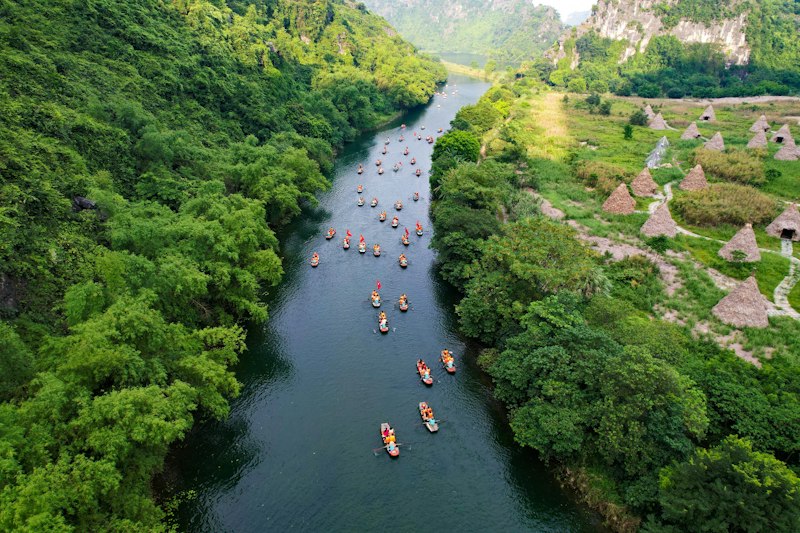
South of Hanoi, Ninh Binh province is often called Halong Bay on land, and Tam Coc is the reason. Flat-bottomed boats rowed by local women, famously with their feet, slide through flooded rice fields and beneath low limestone caves, with the Bich Dong pagoda cut into the cliff behind. We add a bicycle loop out to the Thai Vi temple, where you will meet more farmers than tourists, and a night in a small hotel among the karst rather than in the city.
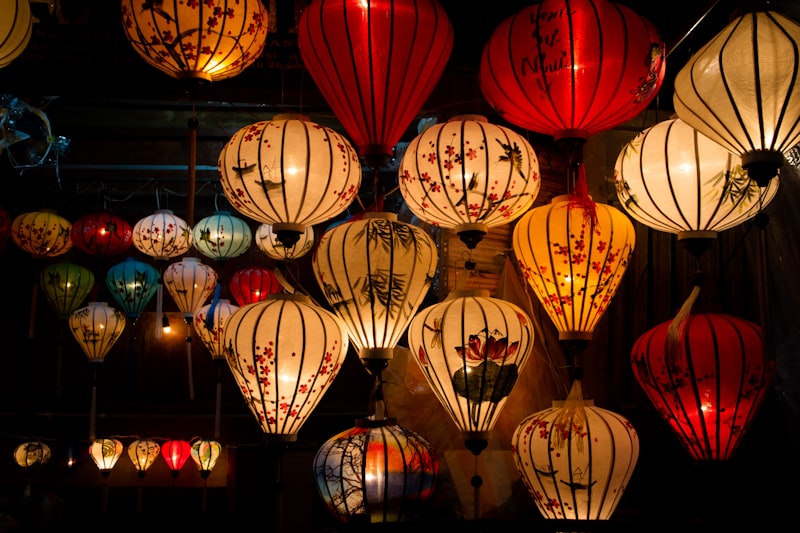
Central Vietnam is where the food gets serious. Hoi An deserves its reputation: lantern-lit lanes, tailors who can copy anything in a day, cao lau noodles, white rose dumplings, the Japanese covered bridge. But the town is best enjoyed from its edges. We send guests to Tra Que, a vegetable village that still fertilises with river weed, out to An Bang for a long lunch, and across to Cam Kim island by bicycle where nobody is selling tickets. Hue makes an easy next stop, and the caves at Phong Nha are worth the detour, including Son Doong for the very adventurous.
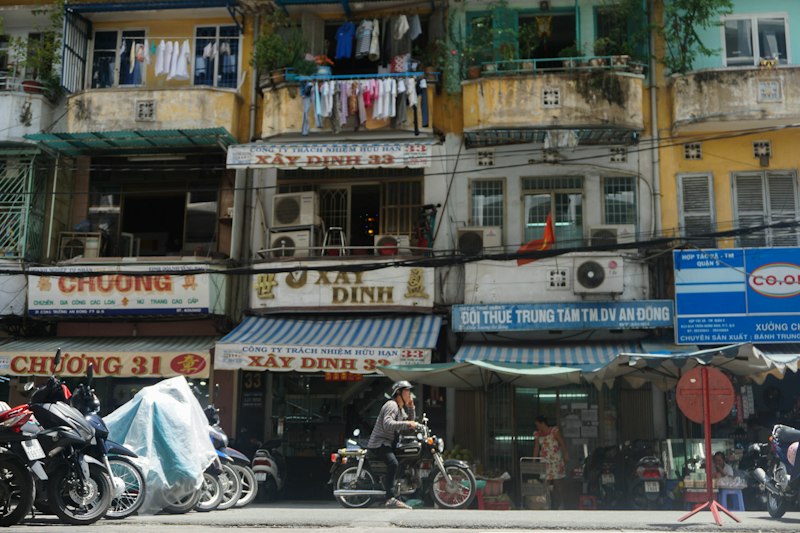
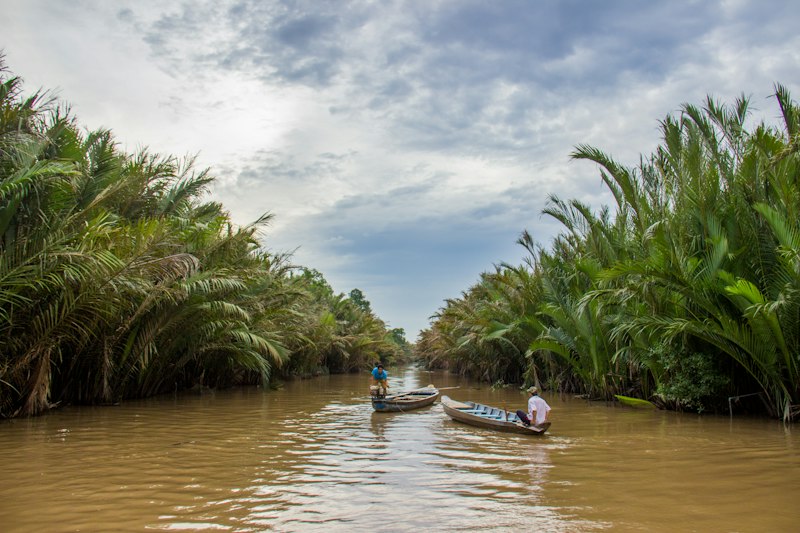
Saigon is loud, and we lean into it: markets, rooftop bars, a coffee culture that treats one iced ca phe sua da as a whole morning's work, and a food walk that often ends up being the highlight of the trip. Then the Mekong Delta slows everything down. Rather than the day-trip version, we go deeper: Cai Be or Cai Rang floating markets at dawn, a sampan into the narrow palm-lined channels of Ben Tre, a night on An Binh islet with a family who grow what they cook, and bicycles for the flat green miles in between.
There is far more beyond the classic route. The terraced valleys around Ha Giang in the far north, the coffee country and French hill stations of Da Lat, the empty beaches of Con Dao, the Cham towers on the central coast, and Cat Tien, where you can still hear gibbons at dawn. Vietnam is one of the easiest places in Asia to travel with children too: short internal flights, brilliant food and a welcome that relaxes the shyest traveller within three days.
Our approach is simple. Two or three regions rather than five, always a bay, a village and a city, and room left for the unplanned: a longer lunch, a market you did not know was there, one more night on the water. Vietnam gives most to those who stop trying to tick it off.
Our Top Picks
- 1An overnight on Bai Tu Long Bay, the quieter neighbour of Halong with the same karst towers and a fraction of the boats
- 2Cycling Mai Chau's rice paddies and staying in a White Thai stilt house
- 3Rowing through the caves and flooded fields of Tam Coc in Ninh Binh
- 4Hoi An's lantern-lit lanes, tailors and the food of the central coast
- 5Saigon's energy, then the slow river life of the Mekong Delta
Best time to visit
- North: October to April, when Hanoi and the bays are cool and clear
- Central Vietnam: February to August, before the autumn rains reach Hoi An
- South: December to April, the dry season for Saigon and the Mekong
Price Guide
What to Budget
Day-to-day costs
Local costs are approximate and may vary. Trip prices are per person and depend on travel dates, group size and chosen style of travel.

Ideas to Get You Started
Sample Trips
Each trip below shows exactly what's included, where you'll stay and what it costs. They're starting points — every trip we build is tailor-made around you.
No sample trips available for this destination yet.
Inspired by Vietnam?
Let's talk about what kind of trip would suit you best. It always starts with a conversation.
Book a Free Travel Chat