

Brazil
Rainforest, rhythm and a coastline that goes on forever
Destination Guide
Tailormade Brazil holidays
Brazil is a country that refuses to be summed up. It is the Amazon, so vast that the river itself feels like a sea and the forest hums before dawn. It is Rio, where mountains drop straight into the ocean and the city spills across them in a patchwork of forest, favela and rooftop. It is the northeast, dry and golden, where forró drifts out of open doors and the coastline stretches for thousands of kilometres. Ask ten Brazilians what their country is like and you'll get ten different answers, all of them true.
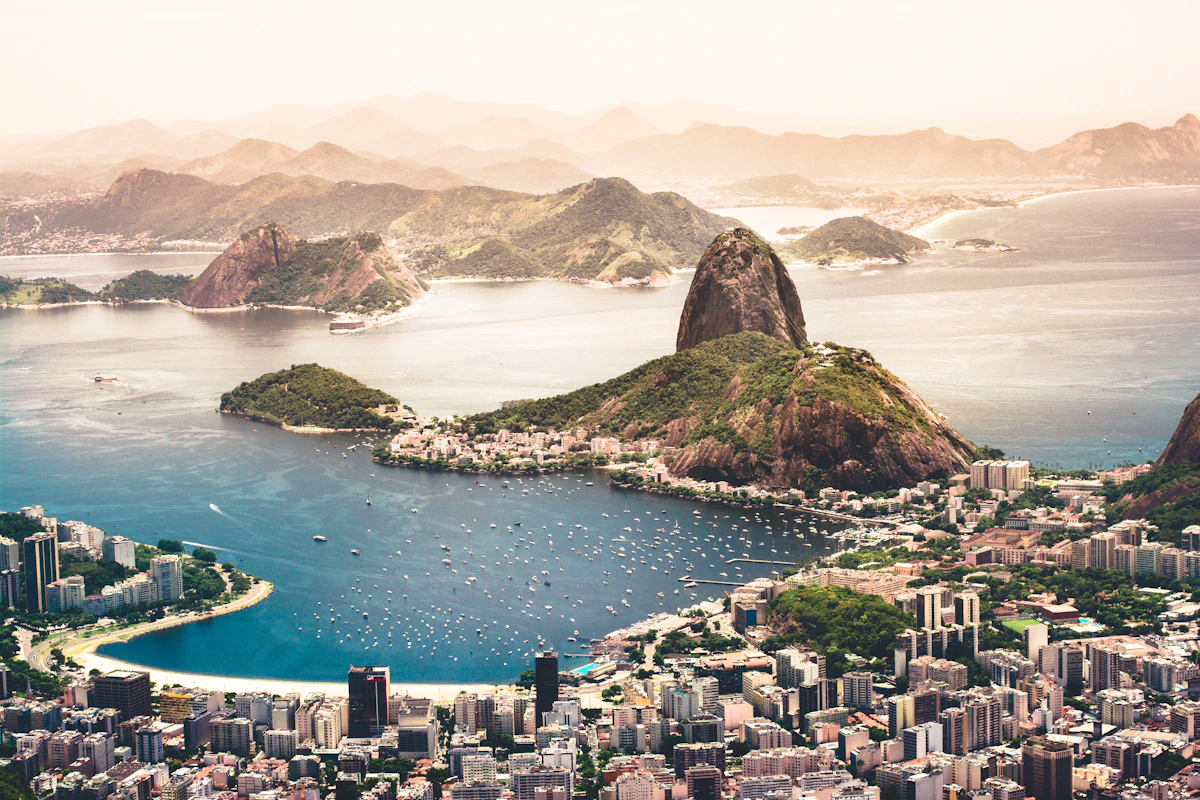
Most people arrive in Rio de Janeiro, and there is good reason for that. The setting is almost absurd in its beauty: Sugarloaf rising out of the bay, the beaches of Copacabana and Ipanema curving for miles, Tijuca rainforest sitting inside the city limits. But Rio rewards those who go beyond the postcard. Spend a morning in Santa Teresa riding the old tram, eat feijoada in a neighbourhood restaurant in Lapa, watch the sunset from Arpoador with half the city, then wake early to see the view from Corcovado before the crowds arrive. Rio is at its best when you slow down to its rhythm rather than trying to tick it off.
Further south, the Iguaçu Falls are one of the genuine wonders of the natural world. Two hundred and seventy-five individual falls spread across nearly three kilometres, with the Brazilian side giving you the wide panoramic view and the Argentinian side putting you right inside the roar. The walkways take you out over the water, and if you're willing to get wet, a boat trip to the base of the falls is one of travel's great thrills. Nearby, the Atlantic Forest shelters toucans, coatis and butterflies the size of your hand.
Then there is the Amazon, which needs to be experienced rather than described. A few days at a riverside lodge near Manaus or in the more remote reaches of Pará slows everything down: dawn boat trips to hear the forest wake up, pink river dolphins surfacing beside the canoe, night walks where the canopy is alive with sound, and meals of freshly caught fish cooked simply. It is not a place to rush, and it changes how you think about the natural world.
The northeast has its own character entirely. Salvador da Bahia, Brazil's first capital, is where Afro-Brazilian culture is at its most vivid: Candomblé, capoeira on the cobbles of Pelourinho, the drums of Olodum, and food that is worth the journey on its own. The beaches of Bahia and Ceará run for hundreds of kilometres, and the dunes of Lençóis Maranhenses, filling with turquoise rainwater between June and September, look like somewhere else entirely.
And then, of course, there is the food. Brazilian cooking is regional, generous and much more varied than the churrascaria stereotype. Moqueca, a coconut and palm oil fish stew from Bahia. Pão de queijo still warm from the oven. Açaí in the Amazon, served savoury with fish, not sweetened. Street-side tapioca crepes, fresh mango from a market stall, and a caipirinha at the end of a long, hot day. Eating well in Brazil takes almost no effort at all.
Brazil suits families, couples and groups of friends equally well, and it works as a stand-alone trip or as the centrepiece of a longer South American journey. It is also a country of real distances, so the art of planning a trip here is knowing what to leave out. That's the conversation we'd like to have with you: not how to see all of Brazil, but which parts of it are yours.
Our Top Picks
- 1Rio de Janeiro — Sugarloaf, Copacabana and Santa Teresa, with the Tijuca rainforest inside the city
- 2Iguaçu Falls — 275 cascades seen from walkways, boats and the rainforest around them
- 3The Amazon — a riverside lodge, dawn boat trips, pink river dolphins and a forest that never goes quiet
- 4Salvador and Bahia — Afro-Brazilian music, capoeira, Candomblé and the best regional cooking in the country
- 5Lençóis Maranhenses — vast white dunes filled with turquoise lagoons from June to September
Best time to visit
- September to November is the sweet spot — warm, dry and bright in Rio and the south, before the peak summer crowds arrive
- Carnival falls in February or early March; it is spectacular but the busiest and most expensive week of the year, so book a year ahead
- The Amazon is best in the drier months from June to November when trails and river trips are easier, while the Lençóis Maranhenses lagoons are full from June to September
Price Guide
What to Budget
Day-to-day costs
Local costs are approximate and may vary. Trip prices are per person and depend on travel dates, group size and chosen style of travel.


Ideas to Get You Started
Sample Trips
Each trip below shows exactly what's included, where you'll stay and what it costs. They're starting points — every trip we build is tailor-made around you.
No sample trips available for this destination yet.
Inspired by Brazil?
Let's talk about what kind of trip would suit you best. It always starts with a conversation.
Book a Free Travel Chat